









If you’re looking for a simple, reliable way to make sprouted chickpeas at home, you’re in the right place. This method uses just dried chickpeas, water, and a little time, no special equipment required. I’ve tested this process many times, and it’s an easy, low-effort way to get fresh sprouted chickpeas for salads, bowls, and cooking!
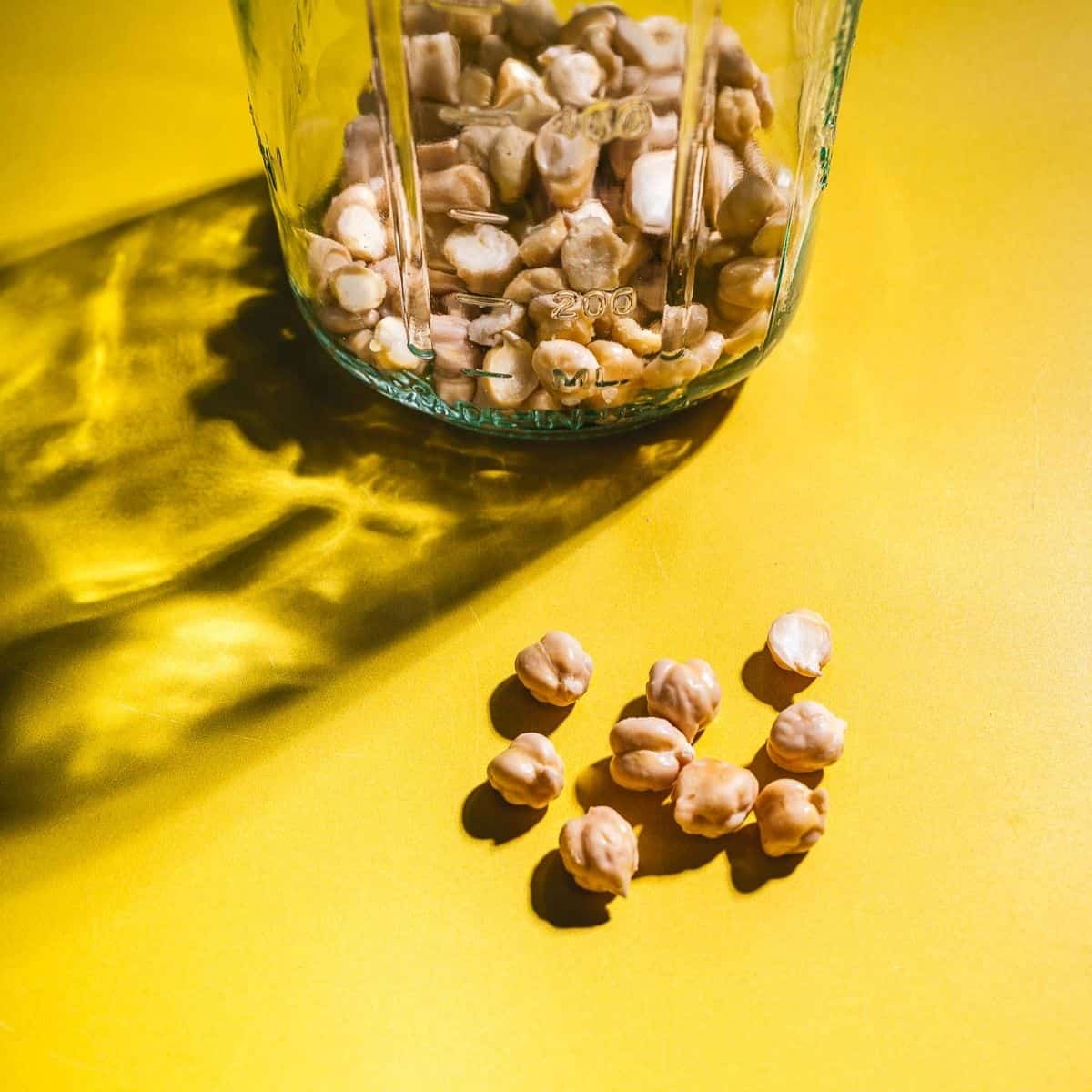
What are Chickpea Sprouts?
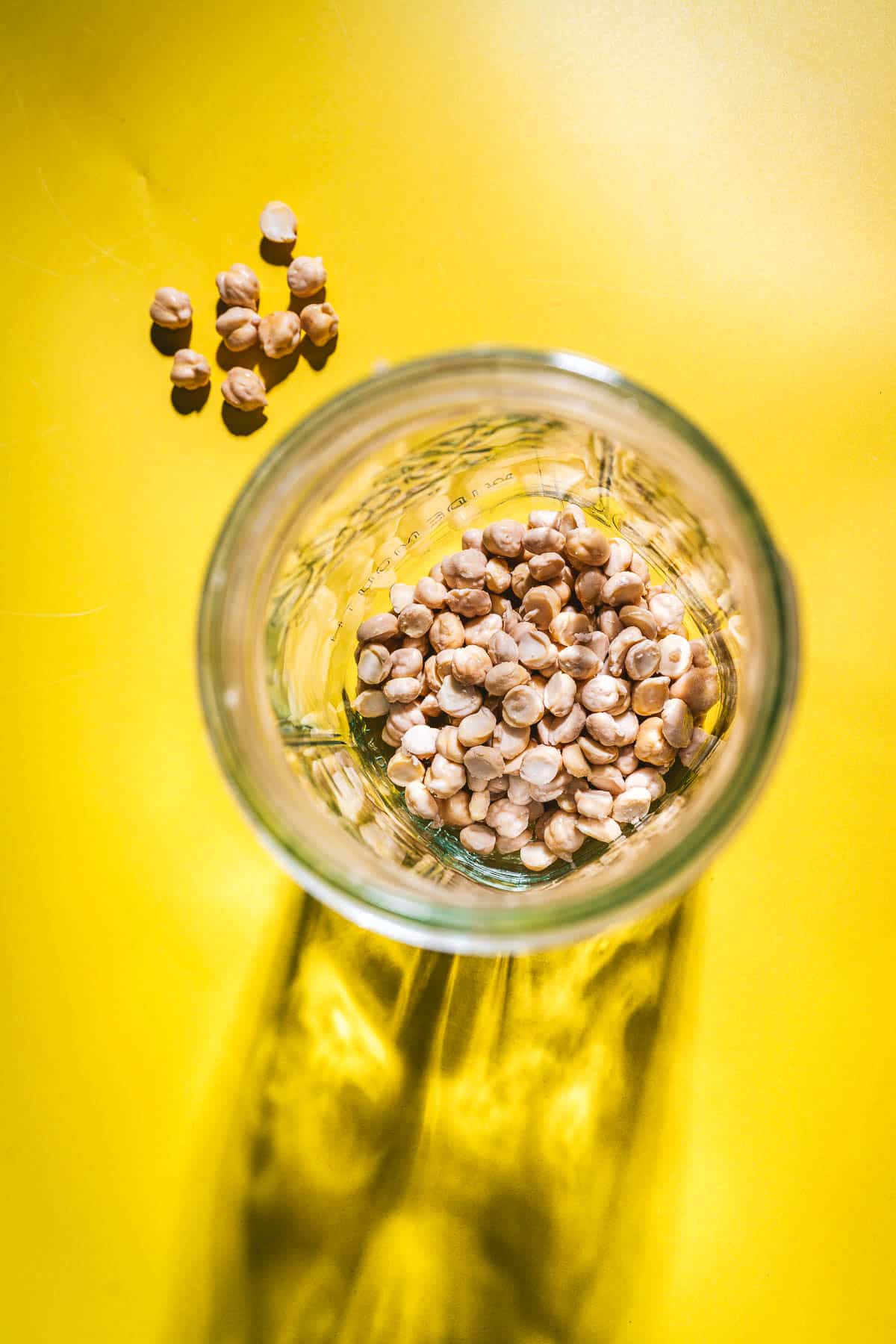
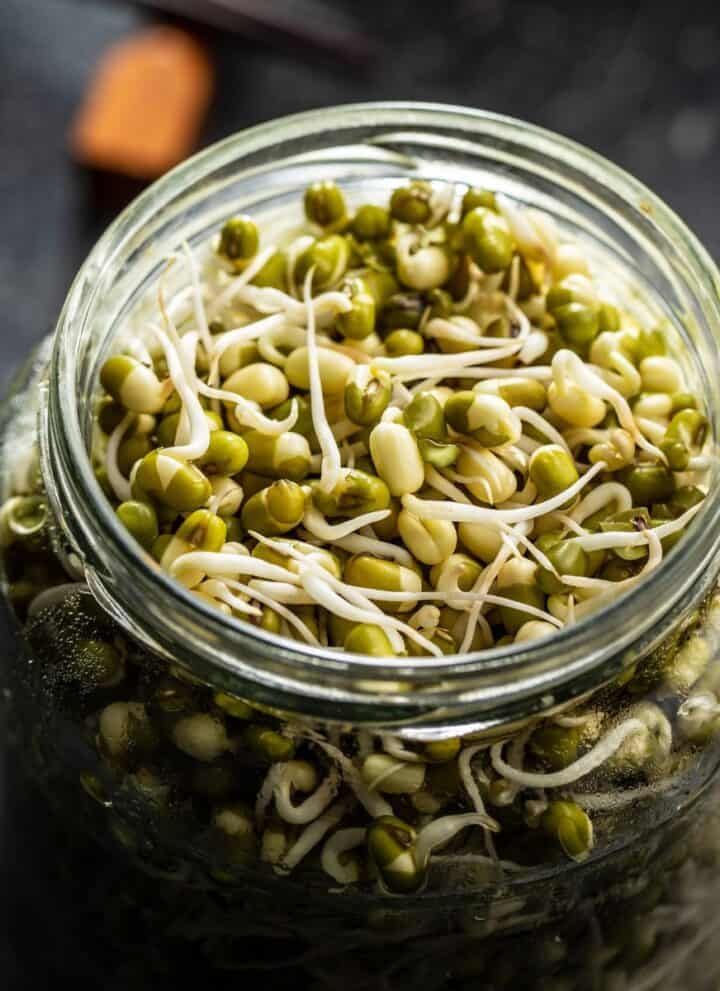
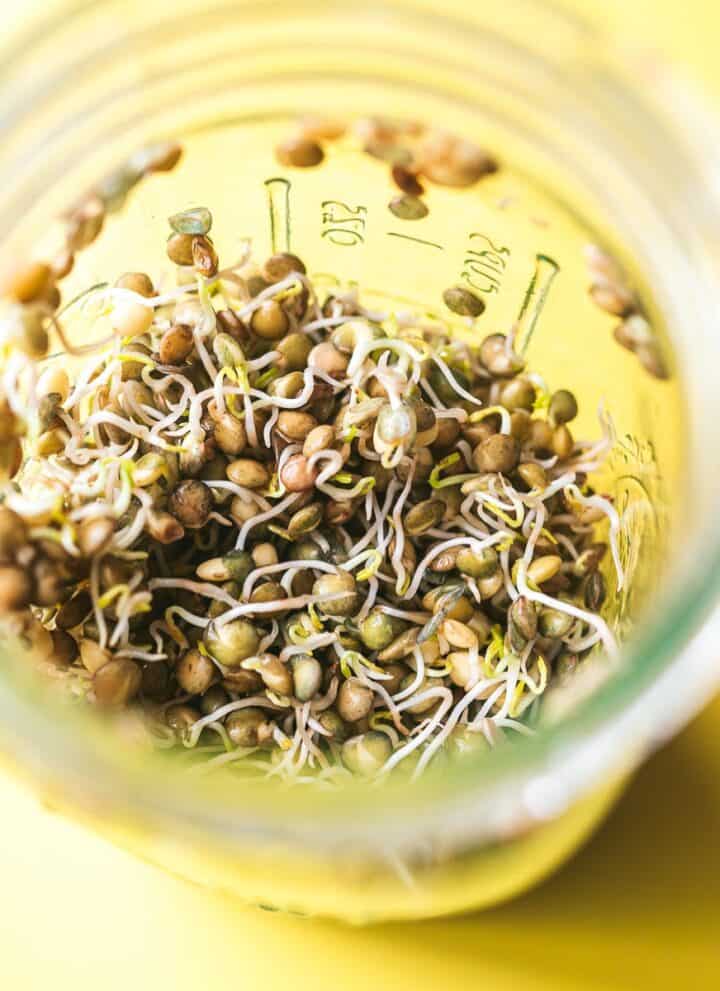
These are garbanzo beans that have been soaked in water and allowed to germinate for up to 3-4 days. Small white shoots emerge from the beans, giving them a crisp appearance and a slightly crunchy texture.
The germination process enhances their flavor and boosts their nutrition. It also makes them easier to digest than raw chickpeas because sprouting removes phytic acid and other anti-nutrients that may cause digestive problems.
Chickpea sprouts are a great addition to many dishes and cuisines. They can be eaten raw or lightly boiled/cooked.
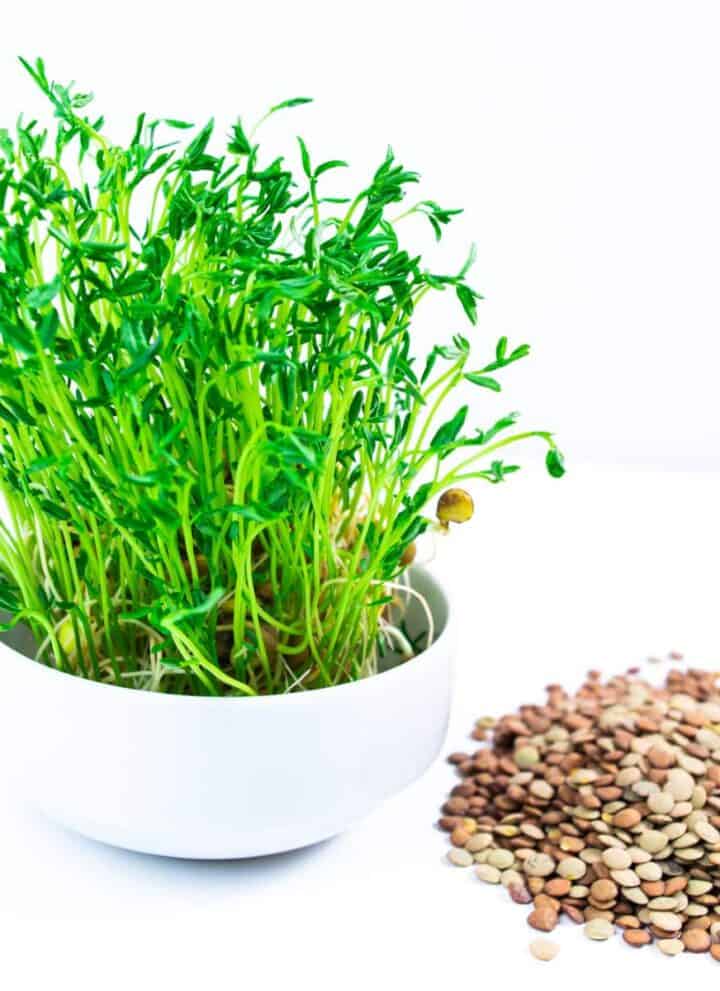
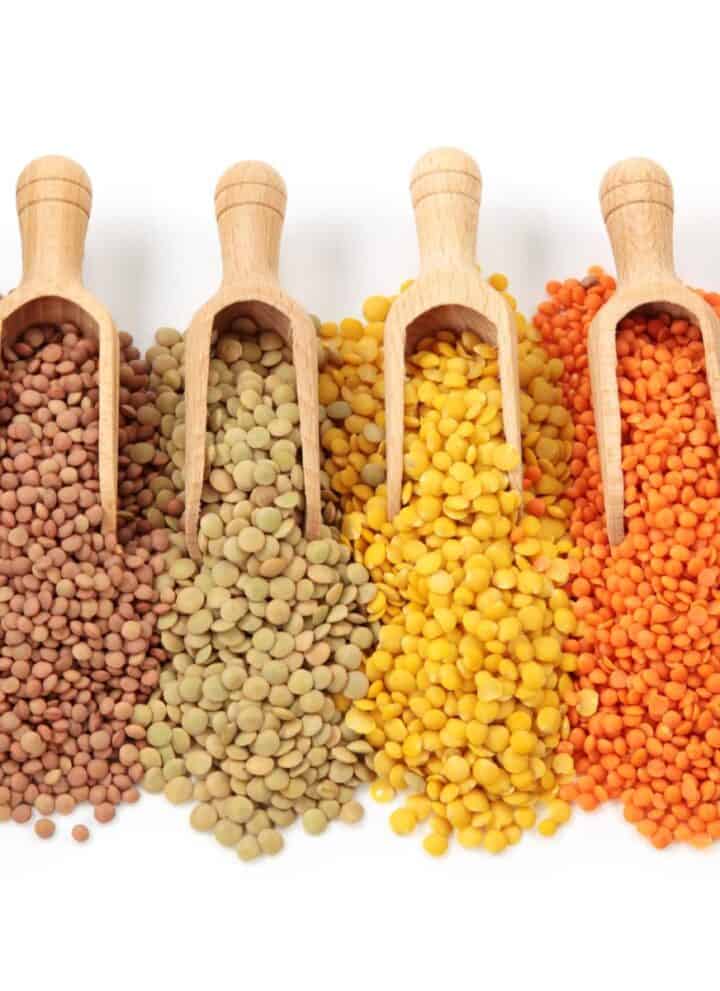
Chickpeas belong to the same legume family as lentils, adzuki beans, soybeans, and peanuts.
Types of Chickpea Sprouts
The two main types of chickpeas used for sprouting are:
Desi: These chickpeas are smaller, darker, and have a rough coat. They’re often used in dishes in India and the Middle East.
Kabuli: These chickpeas are larger, lighter in color, and very common in the United States.
While both types can be sprouted, Kabuli chickpeas are typically preferred for their mild flavor and larger sprouts.
Tip: Always use uncooked chickpeas in their raw form, as canned or cooked varieties will not sprout. Additionally, some dried chickpeas purchased from regular grocery stores have been processed in a way that prevents them from sprouting.
For best results, select dried chickpeas that are raw, organic, whole, and sold by sprouting companies or purchased from bulk bins at natural food stores or labeled as suitable for sprouting.

How to Sprout Chickpeas
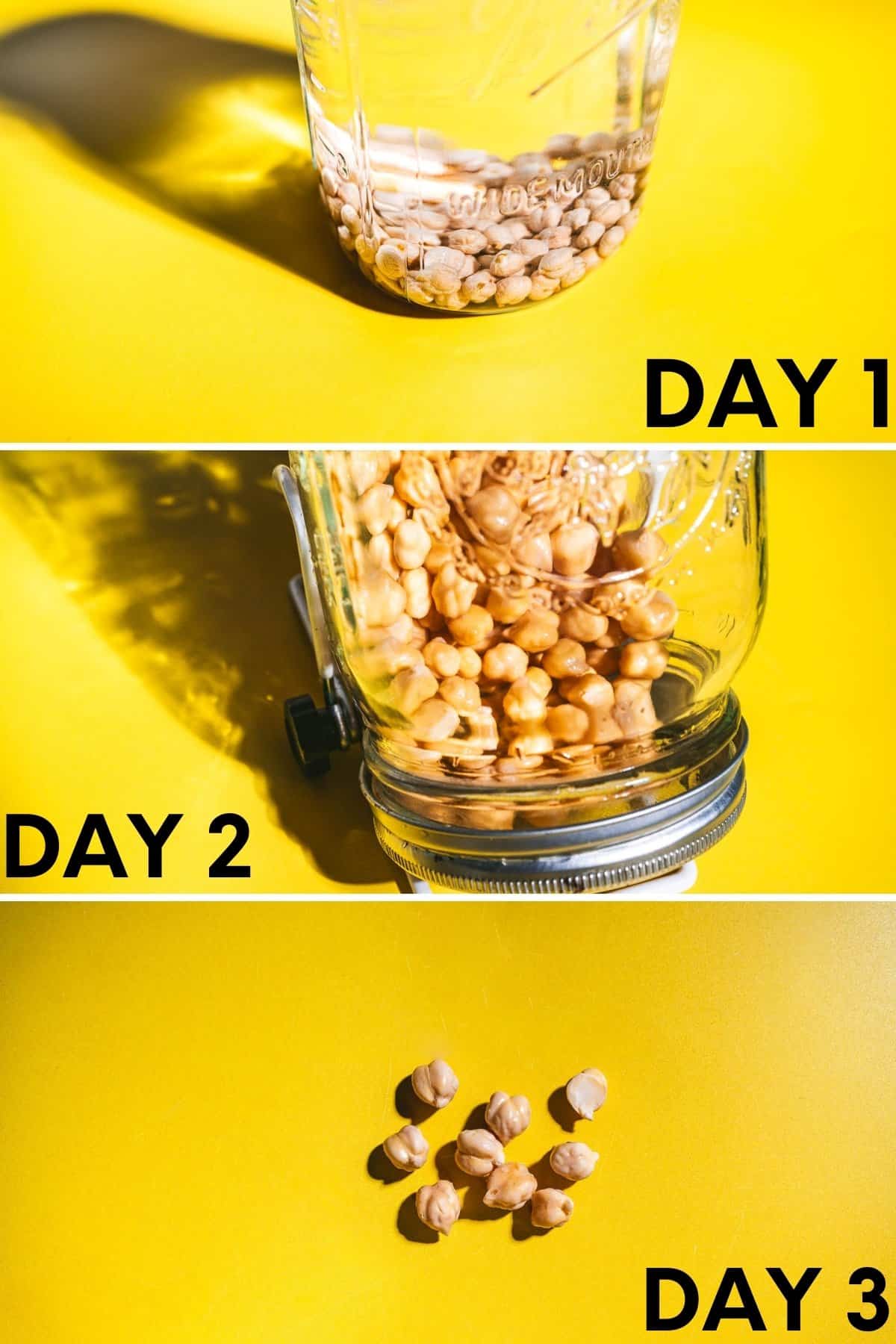
- Rinse the chickpeas under cool water to wash away any residue.
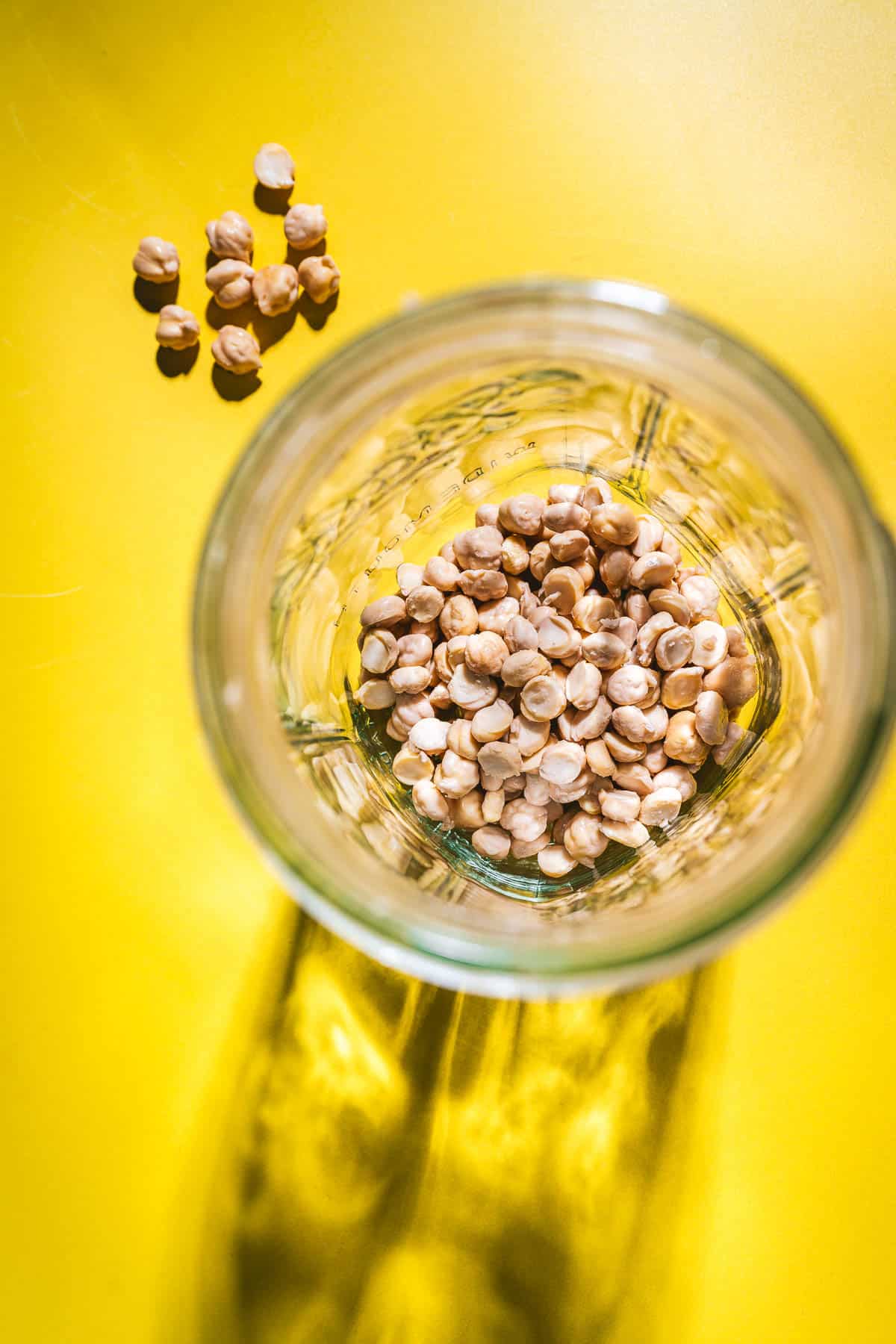
- Transfer them to a clean jar or bowl and add enough filtered water to cover by a few inches. They’ll swell as they soak.
- Soak at room temperature for 8 to 12 hours or overnight.
- Drain and rinse well. If using a jar, cover the opening with mesh or cheesecloth secured with a rubber band, then tilt the jar so excess water can drip out.
- Rinse and drain every 8 to 12 hours, keeping the chickpeas in a cool, dark spot between rinses. After 1 to 3 days, small white sprouts should appear.
- Give them a final rinse, then use right away or store.
How to Use Sprouted Chickpeas
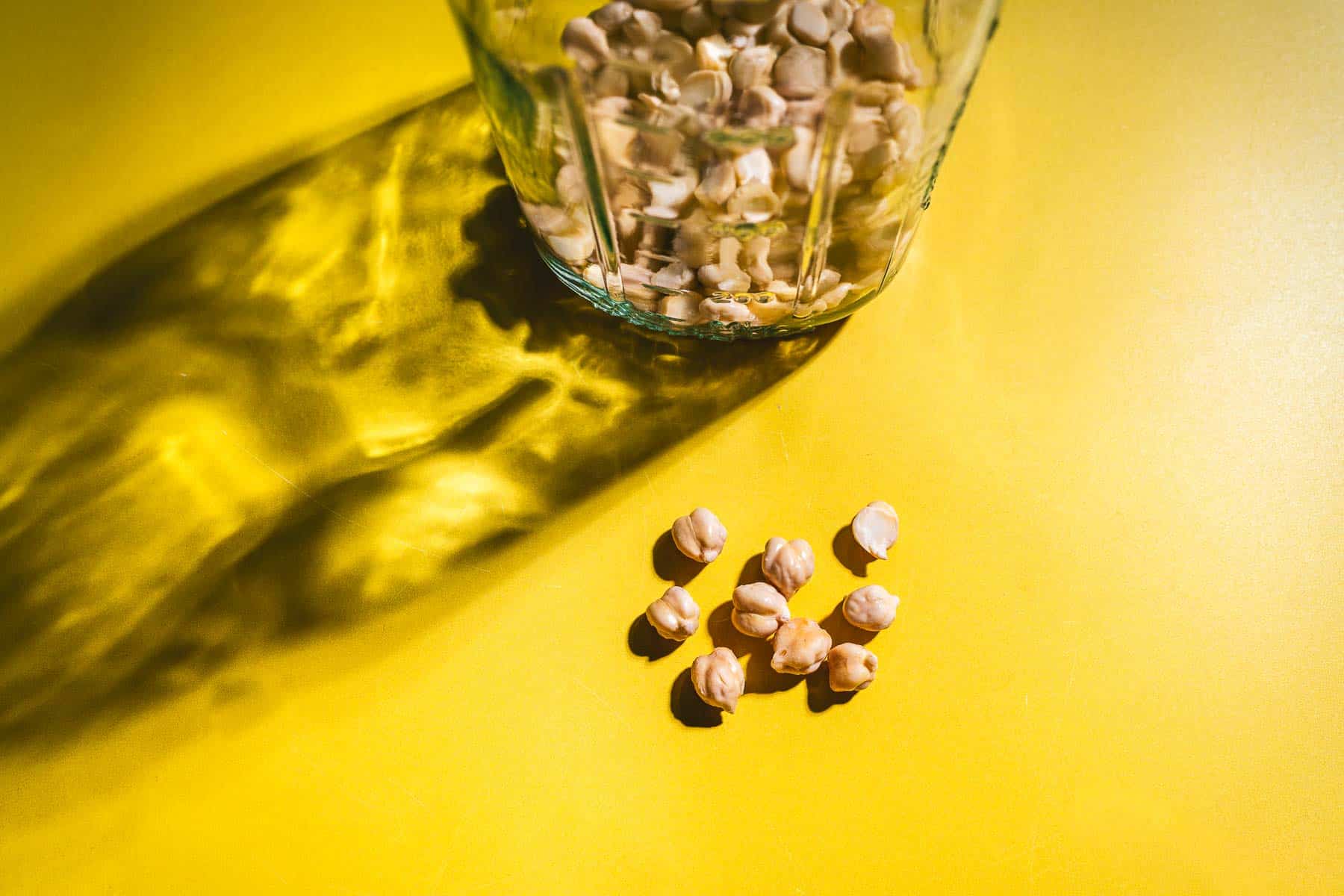
These chickpeas are crisp, mildly nutty, and incredibly versatile! You can use them as garnish or toss them in your favorite dishes, such as:
- Salads
- Grain bowls or bowl meals
- Blended into hummus
- Sandwiches to add crunch and texture
- Stir-fries
- Soups
You can also roast them in olive oil and garlic and season them with cumin for a savory snack. Yum!
Storing Chickpea Sprouts
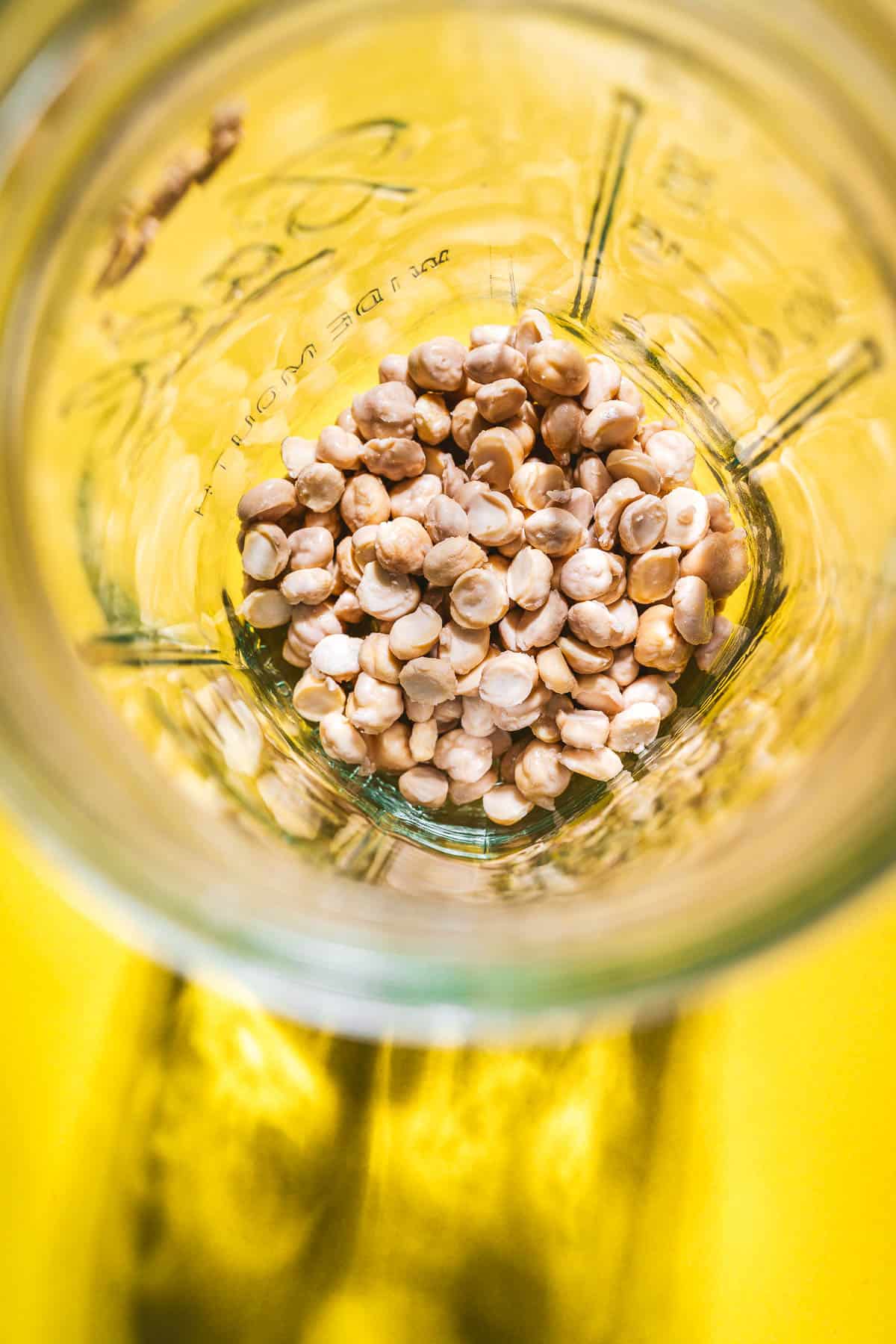
Store any sprouted chickpeas in a sealed container and refrigerate them for up to 3 days. You can line the container with a paper towel to absorb any moisture or pat the sprouts dry before storage. This is because any signs of moisture can cause them to spoil more quickly.
While they can be frozen, I usually don’t freeze mine since the sprouts become soggy when thawed.
📖 Recipe

Sprouted Chickpeas (Easy Homemade Method)
Equipment
- Clean jar or bowl
- Mesh or cheesecloth and rubber band (if using a jar)
Ingredients
- 1/4 cup dried chickpeas garbanzo beans, preferably organic
- Filtered water
Instructions
- Rinse the chickpeas well under cool water to remove any dust or debris.
- Place the chickpeas in a clean jar or bowl and cover them with several inches of filtered water. They will expand as they soak.
- Let the chickpeas soak for 8 to 12 hours or overnight at room temperature.

- After soaking, drain and rinse the chickpeas thoroughly. If using a jar, cover the mouth with a mesh lid or cheesecloth secured with a rubber band. Set the jar at an angle (or use a sprouting stand) to drain any excess water.
- Rinse and drain the chickpeas every 8 to 12 hours, keeping them in a cool, dark spot in between. Continue this process for 1 to 3 days, or until small white tails begin to sprout.
- Once sprouted, give them one final rinse and store in the fridge in a sealed container for up to 3 days. Enjoy!


Notes
Nutrition
Pin for Later
Comments
No Comments