








Choosing the best seeds for sprouting is one of the best ways to grow something green (and delicious!) indoors. But if you’re new to sprouting, don’t fret! You won’t need extensive seed knowledge or expensive equipment to start growing them. Just a few kitchen staples, a wide-mouth Mason jar, a little patience, and you’re good to go!
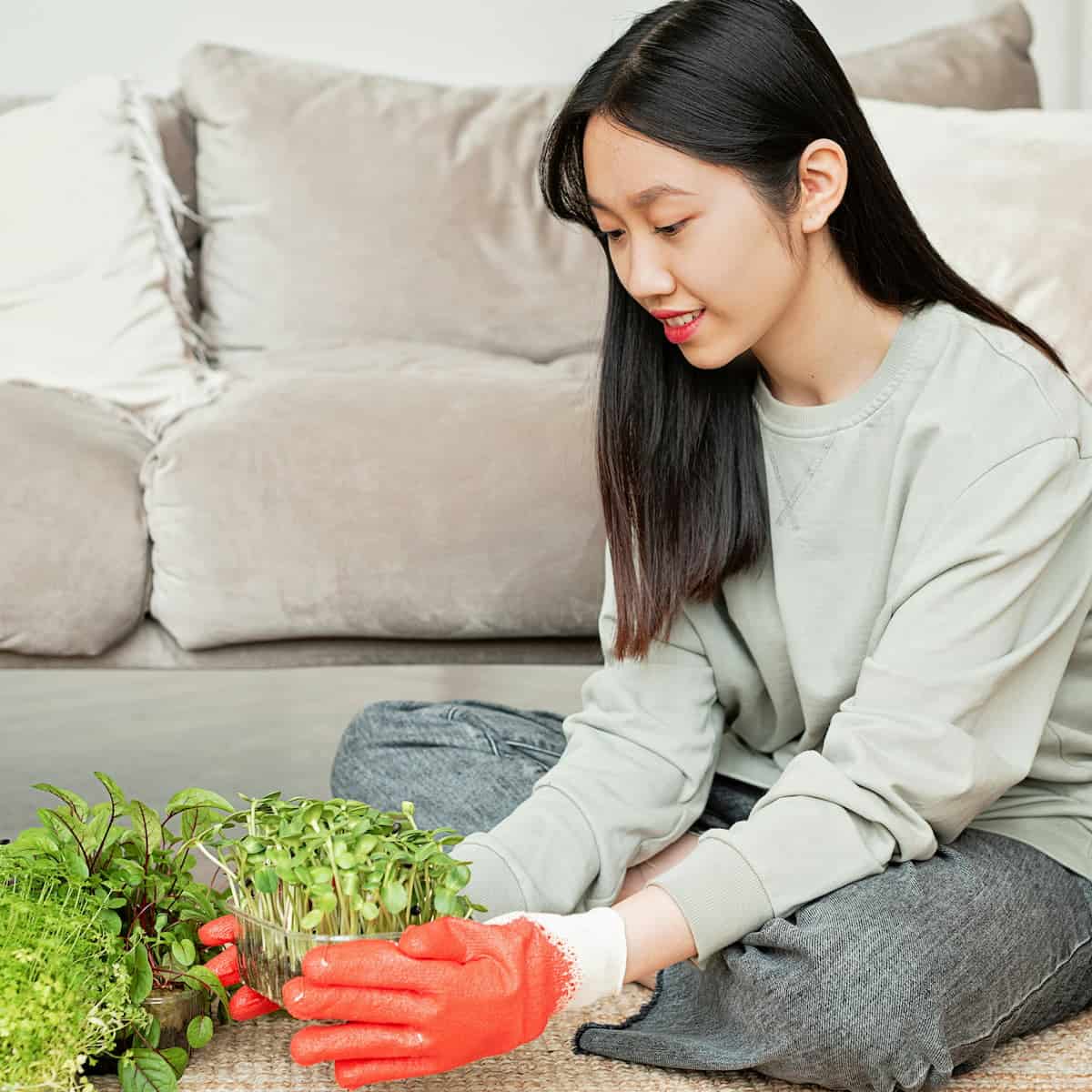
Why Grow Sprouts at Home?
Choosing the best seeds for sprouting is one of the best ways to grow something green (and delicious!) indoors. Jar sprouting, one of the easiest methods, requires minimal effort and space.
- Nutrient-Dense Superfoods - These tiny greens are packed with fiber, protein, vitamins, minerals, and enzymes. They’re even more nutritious than their mature counterparts!
- Quick and Easy to Grow - Many seed sprouts are ready to eat within a week or two, giving you a regular supply of healthy greens for all your needs.
- Enhance Your Meals - They’re great to use as garnish and for adding fresh flavor and tasty crunch to salads, wraps, sandwiches, and more.
- No Soil Needed - You don’t need to have a garden or a separate space with soil in your home to grow them. Less mess, more deliciousness!
What You Need for Successful Sprouting
Fancy gears and expensive tools aren’t required for this home activity. Here’s a list of what you can start with:
- A clean mason jar (wide-mouth glass jars are highly recommended!)
- A breathable lid (mesh or cheesecloth with a rubber band will do)
- Place with cool, indirect light
- Water source
Optional, but you can also use sprouting kits for this purpose! They often include the jars or trays, seeds, and instructions you need to start growing as soon as possible.
10 Best Seeds for Sprouting at Home

1. Alfalfa
A classic choice for beginner sprouters, as they’re one of the easiest to grow successfully in jars at home. Alfalfa is delicate and crunchy, with a mild flavor that pairs well with nearly any dish.
Tip: Soak the alfalfa seeds for 4-6 hours (or overnight) and then drain twice daily. This will help keep them moist but not moldy.
2. Broccoli
These superfoods are a rich source of the phytochemical sulforaphane, known for its anti-cancer properties and its ability to support mental and brain health. If you’re after health benefits first and foremost, then choosing to grow broccoli is a good place to start.
Tip: Broccoli sprouts tend to clump together inside the mason jar, so gently shake them after rinsing to improve airflow.
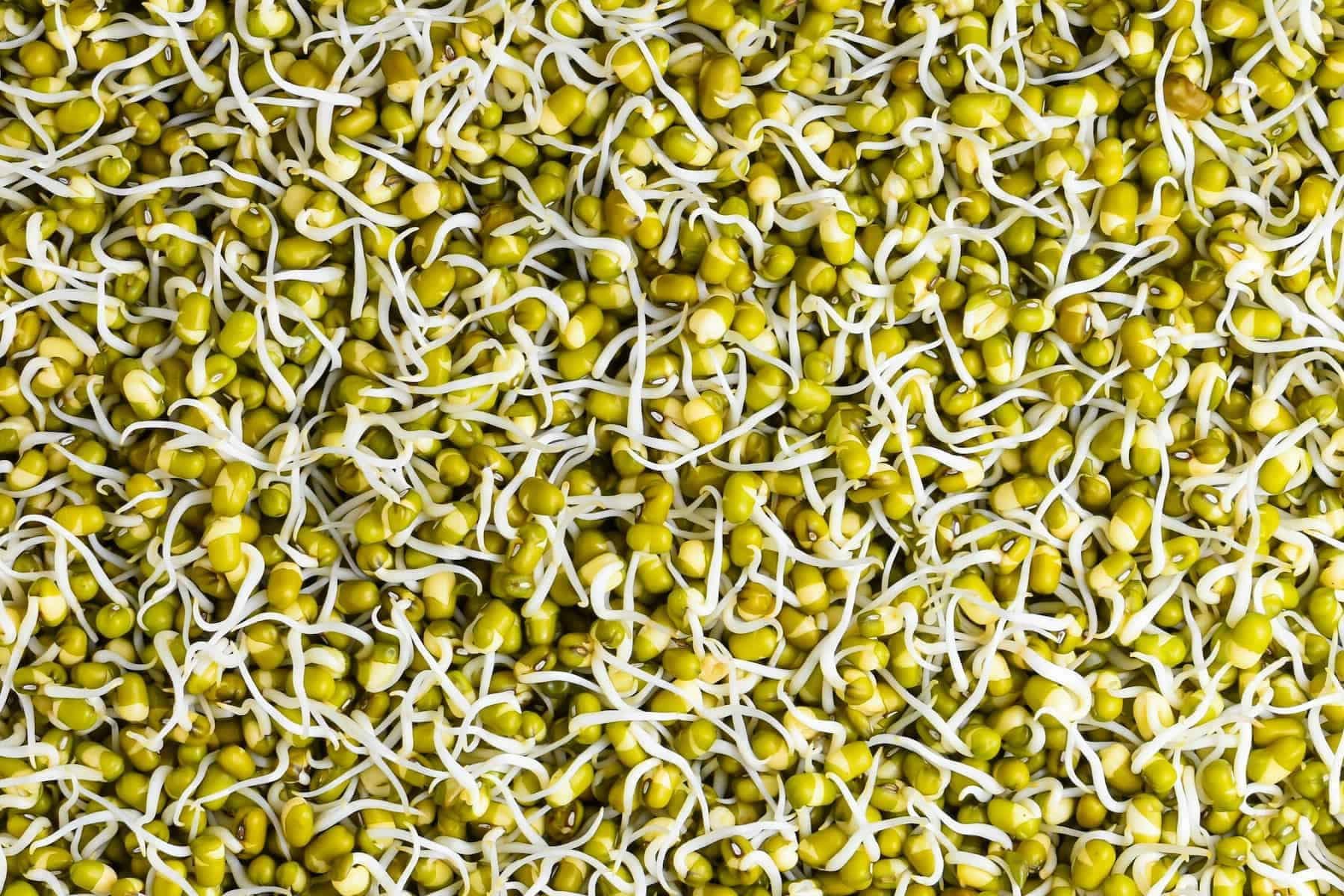
3. Mung Bean
A common ingredient in Asian cuisine! With high water and low-calorie content, they’re a great choice for people watching their weight. Mung bean sprouts make a wonderful addition to noodle bowls and stir frys, and can even be enjoyed raw. With just a jar and daily care, you can grow these seeds in no time at all.
Tip: Soak the seeds overnight, and then rinse them. Keep the jar tilted at an angle to improve drainage and air circulation and prevent the development of mold.
4. Lentil
Sprouted lentils are earthy and rich in protein, making them ideal for soups, wraps, and salads. You can also add them to either cold or warm dishes. Lentils are perfect for home sprouting beginners, as just about any whole lentil in your pantry will grow with ease.
Tip: Use whole green or brown lentils. Don’t attempt sprouting split ones, as these won’t grow at all.
5. Red Clover
Red clover’s mild and nutty flavor is a bit similar to alfalfa’s, but more delicate, so using it won’t overpower your meals. It’s an excellent option for beginners since it’s relatively cheap, grows fast, and requires minimal attention to grow at home.
Tip: Don’t soak the seeds for more than 8 hours! Leaving them in water may make them rot, hindering germination.
6. Radish
Bold and peppery, radish sprouts add a delicious zing to eggs, salads, and wraps. With its green leaves and pinkish, almost purplish stems, radish is one of the most appealing sprouts to flavor your dishes. With proper care, you’ll enjoy spicy sprouts in as little as 4 days!
Tip: Keep the seeds moist by rinsing and draining them, preferably twice a day. Don’t leave them submerged in water, as this may lead to fermentation and spoilage.
7. Pea Microgreens
Tender and sweet with a crunchy texture, pea shoots are rich in vitamins (especially vitamin C), protein, and antioxidants. You can easily grow them on a windowsill or countertop with basic supplies, making them an excellent choice for sprouters with smaller spaces. It’s best to harvest them when they’re just a few inches tall.
Tip: Soak the peas for at least 8 hours or overnight before planting to encourage faster growth.

8. Chickpeas
Also known as garbanzo beans, chickpeas are a delicious addition, especially when roasted or used in raw hummus. They’re a hearty addition to any meal, and one of the easiest beans to sprout at home, even without any special equipment.
Tip: Always use dry, uncooked chickpeas. Those that had been heated or processed will not sprout.
9. Arugula
A great alternative to radish for spice lovers! Peppery and aromatic, arugula adds a fiery kick to wraps and egg dishes that can use a bold flavor.
Tip: While the arugula seeds are sprouting, keep the jar or tray in a warm, dark place and rinse them twice a day. If you want to grow them as full-sized plants, transfer them to soil when they’re about 1-2 inches in length.
10. Kale
Mild and nutrient-rich, this is a good alternative for people who want to enjoy the greens without the bitter taste. Kale sprouts are a bit peppery, sweet, and mildly nutty in flavor. They’re rich in vitamins, calcium, potassium, and folic acid.
Tip: Rinse the seeds multiple times a day and invert the jar to prevent excess moisture. Don’t let them get too warm, as high temperatures may prevent them from germinating.
Extra Tips for First-Time Sprouters
- Use organic sprouting seeds since they are free from chemicals and pesticides that might be harmful to your health.
- When soaking seeds, use cold water, not hot. Hot water may damage the seeds and prevent germination.
- Always keep your sprouting area clean and out of direct sunlight.
- Sprouts should smell earthy and clean, not foul. If anything smells off, compost it.
Pin For Later

You Might Also Like
Can Dogs Eat Sprouts? Understanding Safe Options for Your Pet
Comments
No Comments