








Guinea pigs have specific dietary needs that must be met with an array of vegetables, hay, and pellets to ensure they receive the necessary nutrients for their health. Sprouts are often touted for their nutritional benefits for humans, but you may wonder: can guinea pigs eat sprouts? Do extend their benefits to the dietary needs of your pet guinea pig?

Sprouts are packed with essential vitamins and minerals that can be beneficial to guinea pigs when provided as part of a balanced diet.
However, while sprouts can be a healthy addition, it's crucial to understand that they should be offered in moderation. They contain substances like oxalic acid which, in excess, could lead to health issues for your guinea pig.
It's also important to consider the variety of sprouts being fed; bean sprouts, for instance, are high in Vitamin C, which is essential for guinea pigs, but they must be introduced into their diet slowly to avoid digestive upset.
Proper preparation and portion control are key in ensuring these vegetables are a safe and nutritious treat for your pet.
In a Nutshell
- Sprouts can be a nutritious treat for guinea pigs when given in moderation.
- Sprouts are beneficial due to their high vitamin content but must be introduced gradually.
- Always serve sprouts in proper portions and prepared correctly to ensure they are a safe addition to your guinea pig's diet.

Nutritional Profile of Sprouts for Guinea Pigs
Sprouts offer a dense nutritional profile for guinea pigs, including essential vitamins and minerals, a healthy dose of fiber and protein, and a relatively low caloric count. Understanding the benefits and risks can guide safe feeding practices.
Vitamins and Minerals in Sprouts
Sprouts are a good source of Vitamin K, necessary to maintain normal clotting mechanisms of your pet, and Vitamin A, important for growth and well-being. They also contain valuable minerals like magnesium and potassium.
Fiber and Protein Content
With notable grams of fiber, sprouts help maintain your guinea pig’s digestive system. Additionally, they provide a modest amount of protein essential for health.
Caloric Value and Moderation
Despite their nutritional benefits, sprouts have a low caloric value, making them suitable for a balanced diet without the risk of overfeeding.
Potential Health Advantages and Risks
Sprouts offer health benefits including antioxidants that support overall well-being. However, they contain oxalates and calcium, which can lead to health issues like gastric bloat if consumed in excess.
Safe Feeding Practices
To ensure health benefits, practice moderation in serving size. Introduce sprouts gradually to prevent digestive upset and monitor their impact on your guinea pig's health.
Comparison to Other Vegetables and Fruits
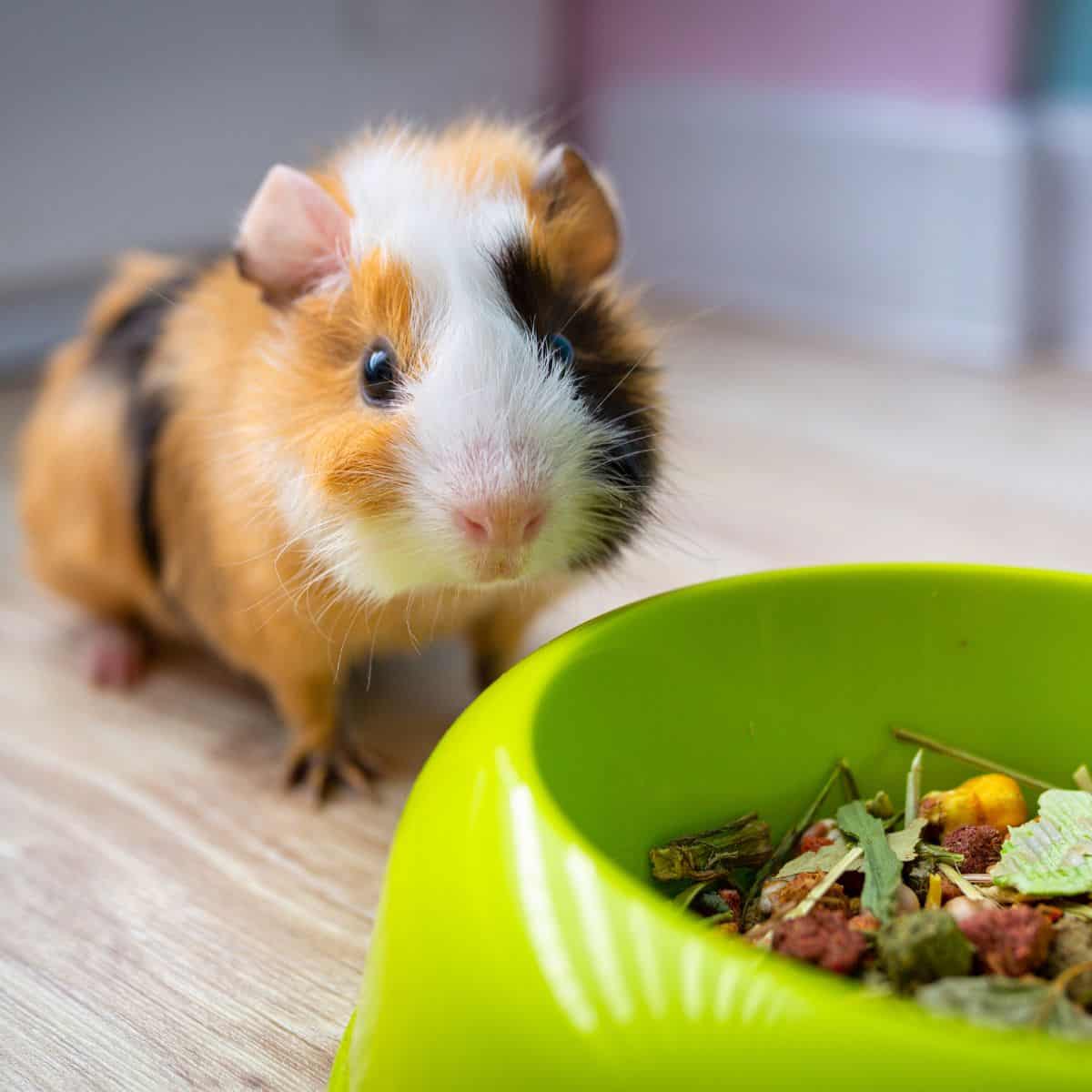
Compared to high-calorie fruits like oranges, sprouts are a lower-calorie option that can be more frequently incorporated into the diet. They provide more essential nutrients than vegetables like romaine lettuce.
Incorporating Sprouts into a Balanced Guinea Pig Diet
Incorporate sprouts alongside staples like hay, pellets, and a variety of other vegetables for a diverse and balanced diet that supports growth and health.
Monitoring Guinea Pigs' Reaction to Sprouts
Observe your guinea pigs when they eat sprouts to ensure they don't experience adverse reactions and that they're reaping the benefits of these nutrient-packed greens.

Precautions When Serving Sprouts
When introducing sprouts into your guinea pig's diet, consider the potential health implications and specific ways to serve them safely to ensure your pet's well-being.
Risks of Raw vs. Cooked Sprouts
Raw sprouts are packed with nutrients that are beneficial for your guinea pig, including vitamins and antioxidants that combat free radicals. However, they pose a risk of carrying bacteria that could harm your pet's health.
On the other hand, cooked sprouts lose some of their nutritional value but are safer from a bacterial standpoint. It's generally safer to offer raw sprouts after thoroughly washing them in clean water.
Avoiding Overfeeding and Related Health Issues
Moderation is crucial, as overfeeding can lead to obesity, digestive troubles, and urinary problems like bladder stones due to high calcium content. Sprouts are healthy, but only as a small part of a balanced diet rich in fiber and low in calcium and oxalate acid to prevent urinary stones.
Choking Hazards and Proper Food Preparation
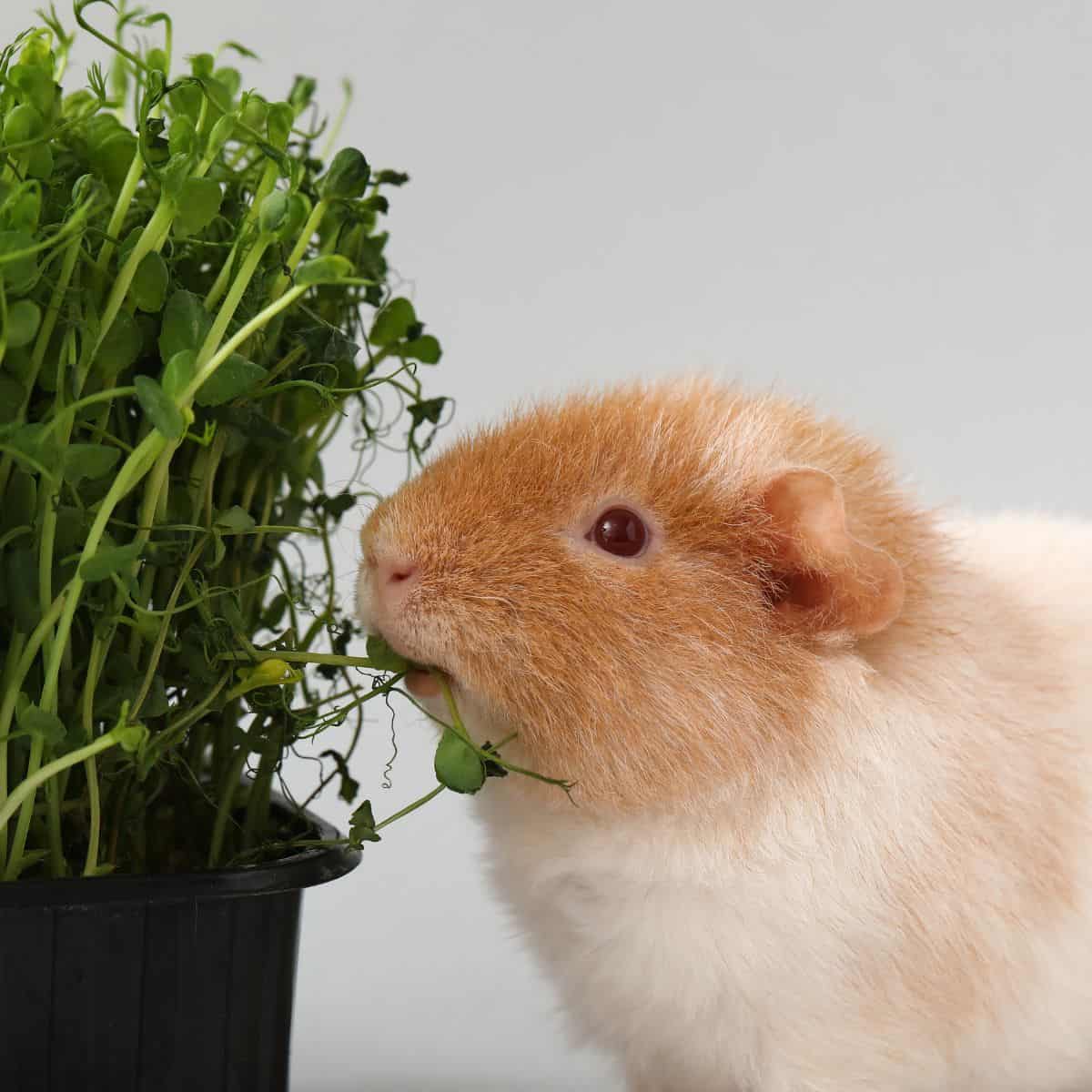
Guinea pigs can choke on improperly prepared sprouts. Ensure sprouts are cut into small, manageable pieces, removing tough stalks. This practice aids in proper digestion and reduces the risk of choking. Always remove any uneaten sprouts to prevent them from spoiling in the cage.
Interactions with Other Dietary Components
Sprouts contain varying levels of calcium, potassium, and magnesium, which can affect your guinea pig's bone health. Balance sprouts with other dietary elements like fat-soluble vitamins to avoid issues associated with high mineral content, and be vigilant about the portion sizes to prevent nutrient imbalances and maintain their overall health.
Common Misconceptions About Feeding Sprouts
Some guinea pig owners may believe sprouts cause bloat or other health issues, but when fed correctly, they are a safe and nutritious addition to your pet's diet. Discard the myths and rely on scientific facts to avoid misinformation about the safety and nutritional benefits of sprouts.
Always rely on credible sources and consult with a veterinarian when making changes to your pet's diet.
Comments
No Comments